


 Community Forex Questions
Fundamental Analysis, Margin Analysis and Forex News
Elliott wave analysis of the market for September 24, 2026 BTCUSD
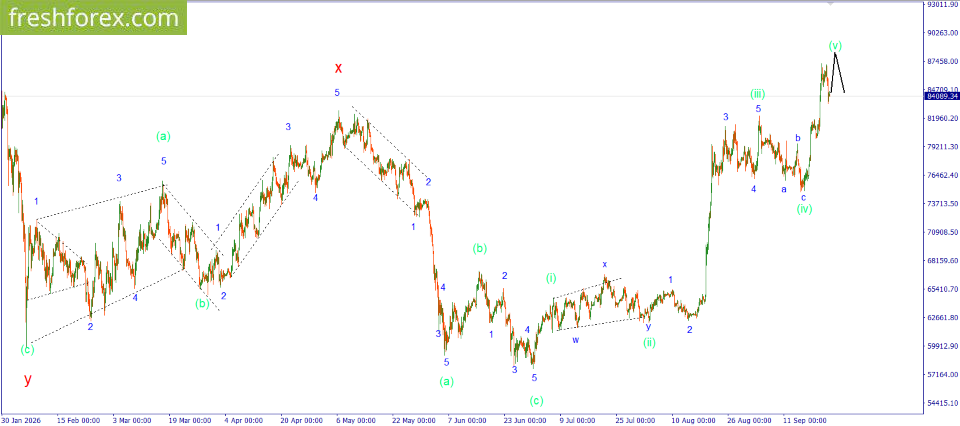
BTCUSD: FLAT.
A month without swaps on majors!
We did not see a continuation of the growth during the past trading day, although Bitcoin tried very hard. In the end, there was not enough strength for this final push and the price went in the opposite direction.
At the same time, the opportunity for another update of the local maximum, along with it, for the full completion of the development of the impulse in wave (v), is still preserved, as there has been no intersection with the first wave yet.
It is quite possible that buyers will attempt to make this move in the near future, so selling is not recommended for now.
In the current situation, it is worth watching how events will develop and acting when a clear picture appears.
Investment idea: FLAT.
Bitcoin above $87,000: buyers are back!
The cryptocurrency market is back in the spotlight. On September 21, Bitcoin (BTCUSD) rose above $87,000, continuing its strong recovery after recent fluctuations. The move was not isolated: at the same time, the Nasdaq (#NQ100) once again approached its all-time high, while investor interest in riskier assets increased noticeably.
This makes Bitcoin’s current rise particularly interesting. The market is showing that BTC is now moving not only as an independent crypto asset but also as part of broader risk appetite, alongside the U.S. technology sector.
Our swap-free month for major currency pairs is ending soon! Learn more
Why Is Bitcoin Rising Alongside the Index?
1. The market is buying risk again. After several volatile sessions, investors returned to technology stocks, while the Nasdaq moved back toward record levels. This creates a favorable environment for Bitcoin: when risk appetite increases, cryptocurrencies often attract additional capital inflows.
2. Bond yields are falling. The yield on 10-year U.S. Treasury bonds fell below 5%. This reduces pressure on risk assets and makes instruments such as BTCUSD and #NQ100 more attractive to investors.
3. Oil is no longer putting pressure on the market. Falling oil prices have eased concerns about inflation. The less the market fears another wave of price increases, the more comfortable investors become with growth stocks and cryptocurrencies.
4. Strong momentum in technology is supporting crypto as well. Gains in artificial intelligence-related stocks have once again strengthened confidence in the technology sector. Against this backdrop, Bitcoin is increasingly trading in the same direction as #NQ100 rather than moving independently.
At this point, not only the move above $87,000 matters, but also the nature of the move. While the cryptocurrency market often used to move independently, Bitcoin is now increasingly responding to the same drivers as the U.S. stock market: bond yields, inflation expectations, and overall investor sentiment.
According to FreshForex analysts, as long as risk appetite remains strong, Bitcoin has room for further growth. The current correlation with #NQ100 is supporting buyers: a strong technology sector, falling bond yields, and easing inflation concerns are creating a more favorable environment for BTCUSD. If BTCUSD holds above $87,000, the next psychological target for buyers could be $90,000, while a breakout above this level could open the way toward the $92,000–93,000 area.

Expert137 posts
 Quote
Fundamental Market Analysis for September 25, 2026 USDJPY
USDJPY:
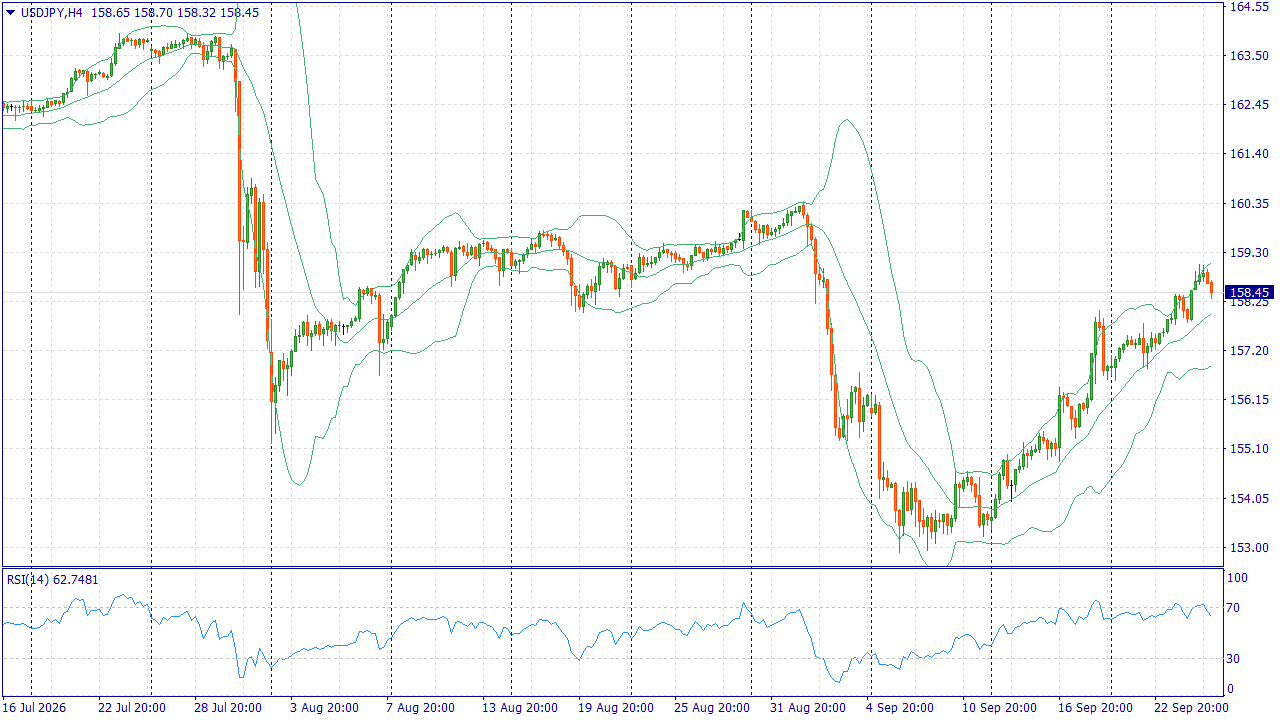
USD/JPY remains near elevated levels after several sessions of gains. The pair's main support comes from rising US Treasury yields: the yield on 10-year bonds has approached its highest levels since 2007, and the market has strengthened expectations for a new Fed rate hike. Such dynamics are particularly sensitive for the yen, as the yield differential is once again working in favor of the dollar.
The Bank of Japan raised its interest rate to 1.25% last week, but the decision did not provide sustained strengthening of the yen. Investors focused on the absence of a clear signal regarding further rapid steps and on disagreements within the board. This limits the effect of policy tightening, especially against the backdrop of rising US yields and persistent demand for the US currency.
A restraining factor remains the risk of action by Japanese authorities: following the Bank of Japan meeting, reports emerged about checks on exchange rates, and recent interventions make the market sensitive to yen weakness. Therefore, the upside potential for USD/JPY appears more limited than the dollar's momentum against the euro and pound. With no new confirmed actions from Tokyo yet, the base case still allows for cautious continuation of the pair's growth.
Trading idea: BUY 158.70, SL 158.35, TP 159.40
Expert137 posts
Quote
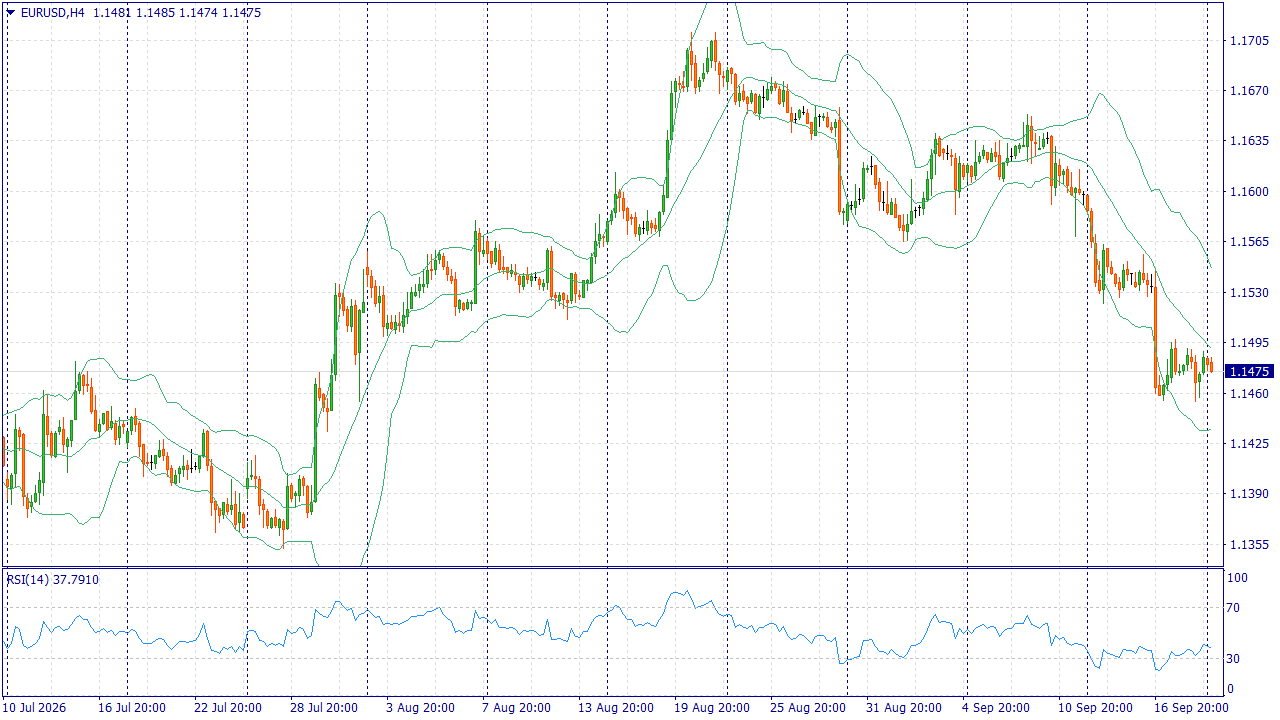
Fundamental Market Analysis for September 28, 2026 EURUSD
EURUSD:
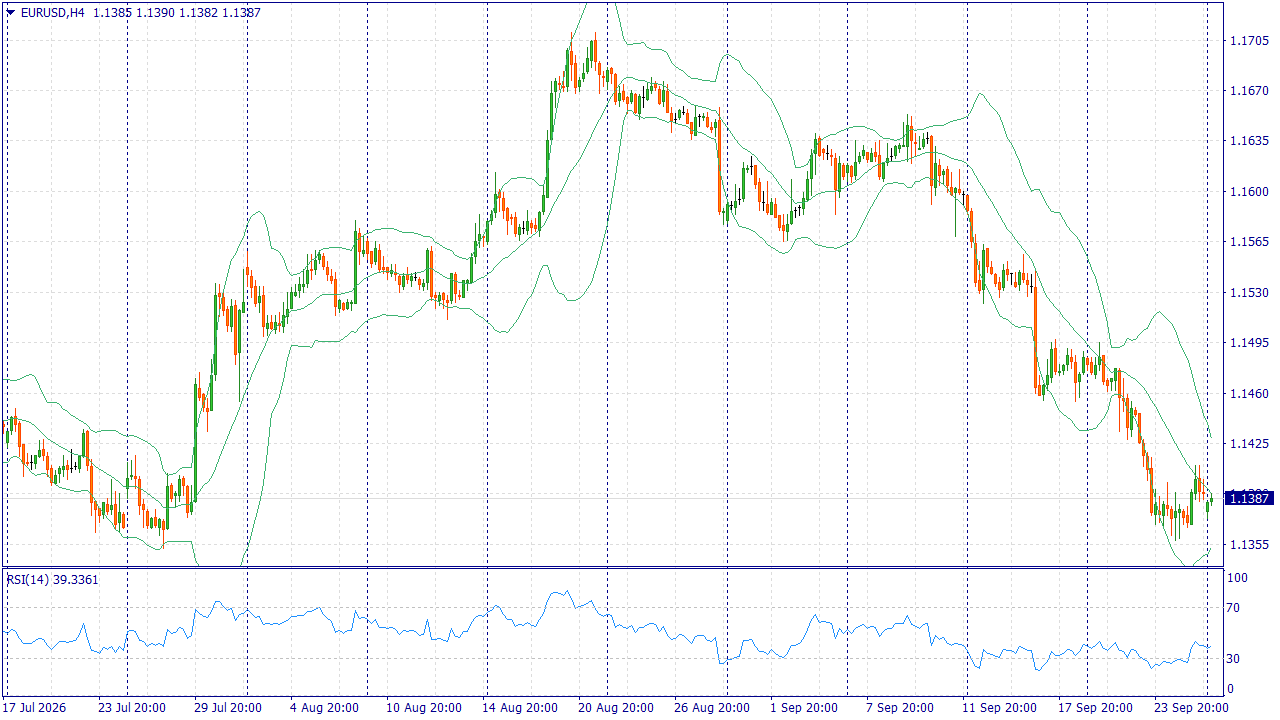
EUR/USD starts the week near multi-month lows, and the external backdrop remains unfavorable for the euro. The dollar holds near a two-month high: rising oil prices amid US-Iran tensions are once again fueling inflation concerns, and the market continues to price in the possibility of further Fed policy tightening. Higher US bond yields also support demand for the dollar.
The euro's own factors are mixed. The ECB previously raised rates due to an energy shock, and regulator officials warn that pressure from energy prices may persist longer. This limits room for policy easing but simultaneously increases costs for the eurozone economy. Therefore, tighter expectations regarding the ECB have not yet given the euro a sustainable advantage.
During the day, comments from ECB and Fed representatives could adjust expectations for the future interest rate trajectory. Some of the dollar's strengthening is already reflected in quotes, so the potential for EUR/USD decline should be assessed cautiously. Nevertheless, at the start of the session, the US currency retains a stronger fundamental momentum, and the base scenario allows for further pressure on the pair.
Trading idea: SELL 1.1380, SL 1.1410, TP 1.1315
Expert137 posts
Quote
Elliott wave analysis of the market for September 29, 2026 BTCUSD
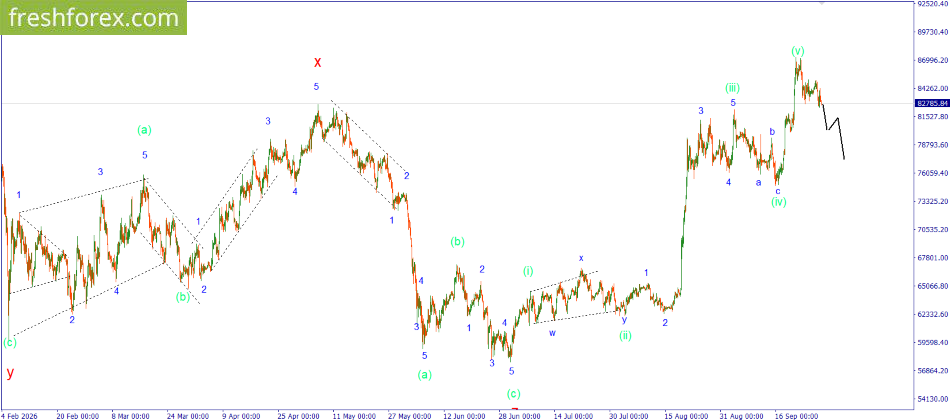
BTCUSD: SELL 82350, SL 83200, TP 74500.
The continuation of the upward movement in the considered trading asset seems to be postponed indefinitely. This is due to the beginning of a corrective decline, which Bitcoin entered after several unsuccessful attempts to resume growth.
In this case, the impulse at this stage of development can be considered complete. It is now worth paying attention to short trades. The target of the movement within this correction could be the minimum of wave (iv), which will be slightly updated, and the price will immediately start moving back up.
Thus, there is a potentially interesting short trade.
Investment idea: SELL 82350, SL 83200, TP 74500.
Expert137 posts
Quote
Weekly Review: XAUUSD, #SP500, #BRENT | October 2, 2026
XAUUSD: SELL 4215.00, SL 4250.00, TP 4130.00
Gold starts the week under pressure from high US Treasury yields and expectations of further Fed policy tightening. Following the September rate hike, the market is particularly sensitive to PCE inflation and employment data: strong figures can support the dollar and limit the metal's attractiveness.
Geopolitical tensions maintain safe-haven demand and may cap declines, but currently yield to monetary factors. With high yields and hawkish Fed expectations persisting, the baseline weekly scenario remains tilted towards moderate downward pressure on XAUUSD.
Trade Idea: SELL 4215.00, SL 4250.00, TP 4130.00
#SP500: SELL 7790, SL 7845, TP 7660
For the US market, the key factor for the week remains the cost of money. US 10-year bond yields remain near multi-year highs, and the market allows for another Fed rate hike. This makes company valuations more sensitive to PCE, employment, and business activity data.
Demand for the technology sector and steady corporate earnings expectations continue to support the index. However, expensive borrowing and the risk of renewed yield growth limit room for a broad rally. Given the current backdrop, the baseline scenario allows for a decline in #SP500.
Trade Idea: SELL 7790, SL 7845, TP 7660
#BRENT: BUY 98.50, SL 96.00, TP 104.00
Brent enters the week with an elevated geopolitical premium after a quick resolution between the US and Iran once again came into question. Risks around the Strait of Hormuz persist, and new disruptions could quickly intensify supply concerns and support oil prices.
A restraining factor has been the recovery in Middle East exports: Saudi Arabia and other producers' shipments rose noticeably in September. This limits upside potential but does not eliminate the risk of new logistical disruptions. With tensions persisting, the baseline weekly scenario remains tilted towards buying #BRENT.
Trade Idea: BUY 98.50, SL 96.00, TP 104.00
Expert137 posts
Quote
Fundamental Market Analysis for September 30, 2026 GBPUSD
Event to watch today:
15:30 EET. USD - Change in GDP volume quarter-on-quarter
GBPUSD:
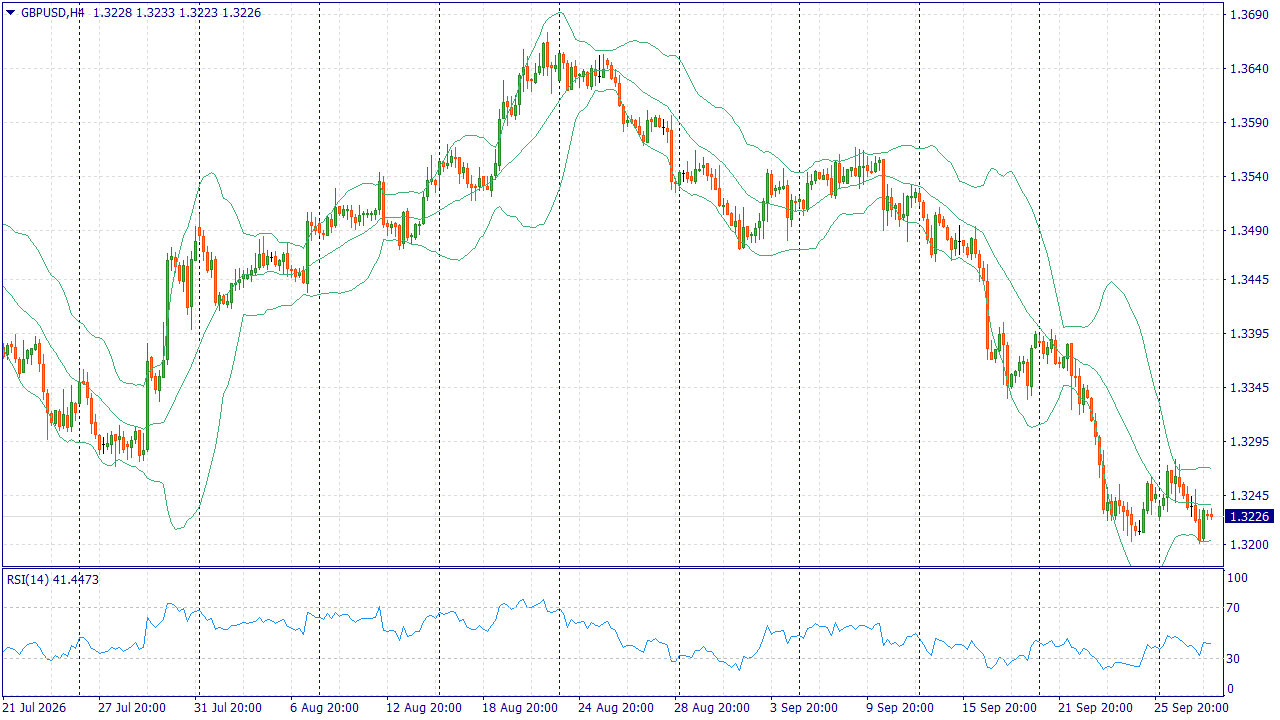
The pound is approaching the European session near three-month lows, although the domestic backdrop in the UK does not appear unequivocally weak. The market anticipates a more hawkish trajectory from the Bank of England due to inflationary pressures, and statements on fiscal discipline have partially supported British assets. These factors limit the pace of GBP/USD decline but have not yet formed a sustained bullish momentum for the pound.
The key external factor remains the divergence between high yields in the US and the more vulnerable valuation of British assets. The dollar is supported by strong US economic data and expectations of another Fed rate hike this year. John Williams' statement reduced the likelihood of immediate tightening in October, but the market still awaits confirmation from inflation and employment data.
For GBP/USD, the picture looks more balanced than for the euro: the Bank of England can contain pressure on the pound, but the overall dollar momentum remains stronger. Given the already realized decline, selling potential is limited, so the base scenario assumes moderate continuation of the move, unless US statistics provide grounds for a significant revision of Fed expectations.
Trading idea: SELL 1.3240, SL 1.3270, TP 1.3180
Expert137 posts
Quote
Oil back near $100: U.S. reserves at their lowest since 1982
The oil market has once again approached a key psychological level. #BRENT is trading around $99.70, recovering after recently falling into the $96–97 range. At the same time, the fundamental backdrop remains tense: U.S. strategic petroleum reserves have fallen to 283.8 million barrels — the lowest level since October 1982, while the situation around the Strait of Hormuz continues to pose a risk of supply disruptions.
What is supporting oil prices right now:
1. U.S. oil reserves are at their lowest level in more than 40 years. The ability to quickly offset major supply disruptions with additional releases from strategic reserves has become significantly more limited.
2. The Strait of Hormuz remains the main source of uncertainty. The conflict between the U.S. and Iran is still far from a final resolution, so the risk of disruptions to oil supplies continues to be reflected in prices.
3. Alternative logistics are more expensive. Exporters have to rely on more complicated transportation and transshipment routes, increasing costs and supporting crude prices.
4. Negotiations are simultaneously limiting the upside. Any signs of a potential agreement between the U.S. and Iran quickly bring sellers back into the market. As a result, price action remains volatile: several dollars of gains can be followed by an equally rapid correction.
It is precisely this uncertainty that is keeping #BRENT within a broad range. Over the past few sessions, the price has fallen to around $96, climbed back above $100, and then corrected again. This shows that the market has not yet settled on a clear direction, but buyers continue to return actively on dips.
According to FreshForex analysts, the key range for #BRENT right now is $97–101. If oil remains mostly within this range through the beginning of October and does not establish itself below $97, this would indicate that demand is holding up after each correction. In that case, a decisive move above $101 could push the price first toward the $103–105 area and, if tensions surrounding supplies persist, potentially open the way toward $106 and higher. For now, low U.S. reserve levels and uncertainty surrounding the Strait of Hormuz continue to leave room for a significant move higher, rather than simply fluctuations around the $100 level.

Expert137 posts
Quote
Elliott wave analysis of the market for October 1, 2026 BTCUSD
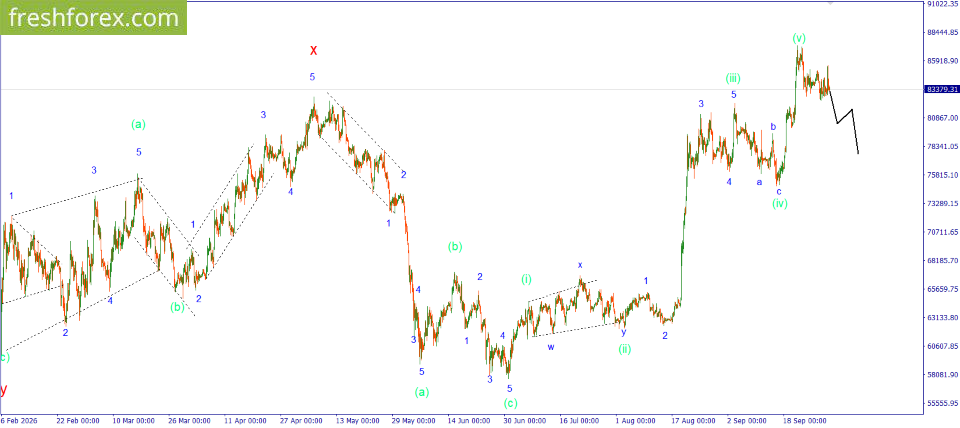
BTCUSD: SELL 82850, SL 84300, TP 77000.
$25 for a risk-free start! Register, complete verification, enter promo code FXMERGE10 in your Personal Area, and get a trading bonus with no deposit required.
Bitcoin continues its desperate resistance. This has once again delayed the emergence of another downward wave of the anticipated correction.
It is likely that a downward movement will occur today after all. It may turn out that the formed downward wave will become a full-fledged final one for the zigzag correction. After this, price growth will resume.
However, it is necessary to monitor how events develop subsequently. For now, it is recommended to consider opening a sell trade at current market prices.
Investment idea: SELL 82850, SL 84300, TP 77000.
Expert137 posts
Quote
Fundamental Market Analysis for October 02, 2026 USDJPY
Event to watch today:
15:30 EET. USD - Unemployment Rate
USDJPY:
Inflation in Tokyo gave the yen fresh support: the core measure excluding fresh food accelerated in September to 2.7% from 1.8%, exceeding expectations of 2.4%. Core inflation excluding fresh food and fuel reached 3%, and services inflation also strengthened. This expands the case for further Bank of Japan rate hikes, although part of the acceleration is linked to the end of subsidies.
High US bond yields continue to support the dollar, but their rise cannot be fully explained by expectations of an imminent Fed rate hike. Softer US inflation and cautious signals from the regulator have reduced the likelihood of an immediate move. Amid European budget risks, safe-haven demand could support both the dollar and the yen, so their ratio requires separate assessment.
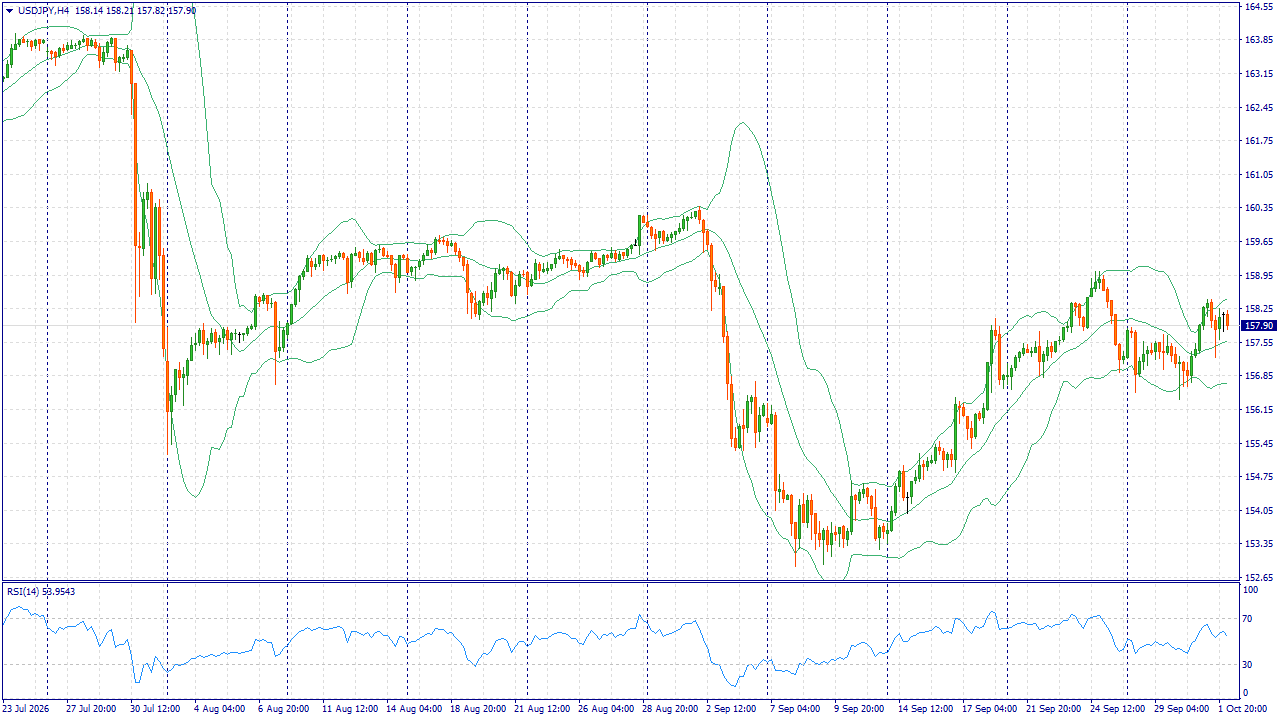
For USD/JPY, the new Japanese inflation signal now creates grounds for a decline despite the persistent interest rate differential. The US employment report could cancel this scenario if strong wage growth again fuels expectations of Fed tightening. Prior to the release, the base idea is to sell the pair: yen support relies on new data, not just the risk of currency intervention.
Trading idea: SELL 157.95, SL 158.30, TP 157.15
Expert137 posts
Quote
Sep 24, 2026 05:59